
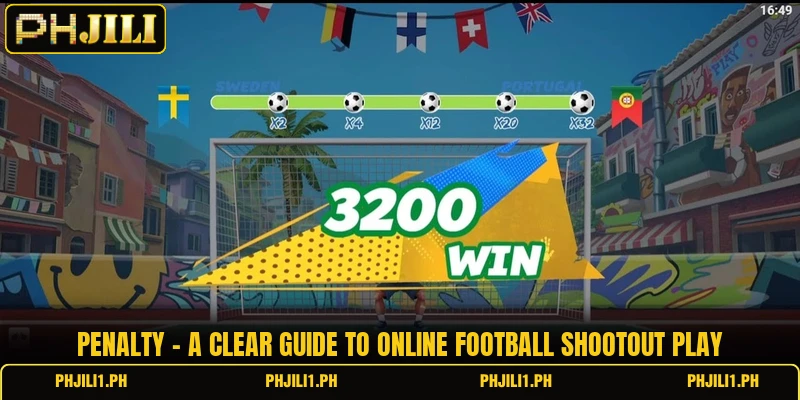
Penalty uses a familiar football shootout idea where each round depends on shot direction, timing, and the goalkeeper’s response. This guide addresses members and players at PHJILI, explaining the basic flow, decision points, and session structure for more informed participation. Understanding the football tiebreaker format through Penalty The game presents a short sequence in which […]
Arcade – Simple Games, Rules, Modes, And Play Tips
Arcade brings short, active games together through simple controls, visible scores, and quick rounds on mobile or desktop. At PHJILI, members can choose several formats, while this article explains common layouts, basic rules, and useful actions without making unclear claims. This guide is written for Philippine players who need direct information and easier game selection before joining a paid session.
How Arcade games generate fast interactive play
Most titles use buttons, touch controls, aiming tools, or timed actions that connect with points, prizes, and results shown on screen. Each game normally explains its target before play begins, while visible meters show remaining time, collected objects, available moves, or stage progress. These details help members understand what must happen before the system records a completed round and displays the related outcome.
PHJILI places these titles in separate lobbies where members can compare themes, speed levels, control styles, and possible stake ranges in PHP or USD. A round may cost PHP 5, PHP 20, or another displayed amount, while some rooms show an equivalent USD figure beside the selection. Members should read the room information first, because cost, pace, scoring, and features may change between similar titles.

Popular game styles discovered in digital halls
Arcade halls often group titles by action type, allowing members to choose speed, accuracy, matching, collecting, or reward-based formats with separate layouts. Each style uses separate controls and score conditions, although the main goal remains reaching a stated target or triggering a listed prize requirement.
Arcade racing and speed rounds
Racing titles ask members to steer, accelerate, avoid barriers, and reach checkpoints before time expires or another vehicle crosses the finish line. Track layouts may include sharp turns, boost zones, moving obstacles, and bonus markers that raise the score after collection. Some rounds judge position alone, while others combine lap time, gathered tokens, and completed checkpoints within one result.
Before entering, players should review control sensitivity, race length, and whether the outcome depends on position, collected tokens, completed laps, or combined conditions. A short Arcade racing session helps members understand steering response, because sudden movement can waste boosts or miss checkpoints near turns. Boosts should follow clear track sections, while tighter corners usually require slower input and earlier direction changes.
Shooting objectives and moving objects
Shooting games use aiming tools, limited ammunition, and moving targets that award different point values after every confirmed hit. Some rounds include larger objects with stronger rewards, while others require repeated shots before a target disappears and releases its listed value. Ammunition cost can also change by weapon level, so each shot may affect the final return differently.
In Arcade shooting rooms, members should watch reload timing, target speed, ammunition cost, and movement direction before pressing fire repeatedly. Higher-value objects may appear briefly, so accurate bursts usually work better than continuous shots spread across the screen. Players can follow one target until the hit sequence ends, rather than switching aim before the system confirms damage.
Gem matching and candy puzzles
Gem and candy-style titles require players to connect matching symbols, clear arranged rows, and complete a target within limited moves or time. Special pieces may remove larger areas, while linked reactions can raise the score without using another manual selection. Some boards also request specific colors, blocked spaces, or collected items before the last move.
View more: Live Casino – Real Dealer Tables And Game Room Guide
Members should check whether the round rewards total points, completed tasks, collected colors, cleared blocks, or a position on a prize meter. Matching near the lower board can create more symbol movement, although every layout should be judged through its immediate objective. A visible special-piece combination may be stronger than a basic match, when blocked areas remain.

Rules and approaches for stronger round decisions
Arcade rules vary by title, yet every game should show its stake, objective, control method, score system, and result condition before payment. Members should read those details carefully, because similar graphics can hide major differences in timing, difficulty, reward calculation, and available actions.
Read objectives prior to pressing start
The objective panel explains what must happen for a round to end successfully, including target scores, collected items, completed stages, or reached checkpoints. It may also show whether unused time, remaining moves, special objects, or bonus symbols influence the final reward. Members should check the failure condition as well, because some sessions close after time expires while others continue until every move is used.
Players should confirm the selected currency and stake before starting, especially when a lobby allows both PHP and USD display settings. In Arcade games, changing difficulty can adjust movement speed, target strength, stage length, or the number of allowed actions. The confirmation screen should match the intended amount, since a higher setting may also increase ammunition cost or entry value.
Use inputs with planned timing
Fast tapping is not always the best response, because many titles reward accurate timing, controlled movement, or saved actions used during stronger opportunities. Racing boosts work better on clear track sections, while shooting tools should follow valuable targets instead of moving randomly between objects. Timed buttons should be pressed after the related meter becomes active, rather than during an animation that blocks new input.
Puzzle titles often provide limited moves, so members should scan the entire board before choosing the first visible match. Arcade controls become easier to handle when players understand the delay between input, animation, score updates, and the next available action. This delay matters during short rounds, because repeated taps may select an unwanted object after the board changes.
Compare rooms prior to choosing stakes
Different rooms may use the same theme while changing minimum stakes, speed levels, reward tables, stage numbers, or entry conditions. Members should open the information panel and compare those details before selecting a room that fits their preferred control style. A slower room may allow more reaction time, while a faster option can require quicker input and shorter decisions.
Players can also check whether a title includes Lucky Wheel rounds, Gold Miner tasks, Mini Games, or Smash the Jackpot features. These options may follow separate conditions, and Arcade results should always be judged through the displayed paytable and confirmed outcome. Members should also check whether bonus access requires collected symbols, completed stages, or a separate paid entry.

Conclusion
Arcade gives players short game formats built around speed, matching, aiming, collecting, and direct control through stated objectives. Members can review the rules at PHJILI, choose a suitable PHP or USD stake, and enter only after understanding the scoring conditions. Download the app, register an account, select a game, and good luck with every race, puzzle, target, or completed round.

29
Th7
Th7
Tower Rush gives members a direct climbing format where every successful stage can raise the displayed return while each decision changes the final result. At PHJILI, the game appears through a clean screen that supports quick reading on mobile phones, tablets, and desktop devices. This guide is written for Filipino members who need clear rules, […]

29
Th7
Th7
Figoal uses scheduled football events, selectable outcomes, and fixed closing times to create short prediction rounds with clearly displayed settlement details. Members can review each option through PHJILI, while the screen shows available choices, entry values, and result status before confirmation. This article is written for members who need clear rules, orderly steps, and focused […]

29
Th7
Th7
Coin Flip gives members a direct game built around two possible results, heads or tails, with each completed round ending within seconds. On PHJILI, the main screen can show the available side, stake amount, countdown, and final outcome in a clear order. This article is written for Philippine members seeking clear game information, explaining the […]

29
Th7
Th7
Magic Dice places members in a timed dice room where every round follows visible selections, confirmed wagers, and an announced result. The game at PHJILI uses a direct screen layout that keeps totals, patterns, and payout references easy to locate. This article is written for Filipino players who need clear rules, step guidance, and decision […]

29
Th7
Th7
Goal brings a simple football theme into a short round where members study available outcomes before confirming a selection. At PHJILI, the game uses clear symbols, limited decision time, and a direct result screen that keeps every round easy to follow. This article is written for members and players who need a clear view of […]

29
Th7
Th7
Hi Lo gives players a direct choice between two card directions, with every round decided by the value revealed after the active card. At PHJILI, the screen shows the current card, odds, stake box, timer, selection buttons, and completed result. This article is written for members who need clear rules, screen guidance, and game-specific tips […]